


If you own an HMO property in Glasgow or run a business with electrical appliances on the premises, PAT testing is something you need to get sorted — and it needs to be done by someone who actually knows what they’re doing. This guide covers what portable appliance testing costs in Glasgow, when it’s legally required, and how to find a certified tester.
What is PAT testing?
PAT testing — portable appliance testing — is the process of checking electrical appliances to make sure they’re safe to use. A qualified tester inspects each item visually, then runs electrical tests using specialist equipment. Each appliance that passes gets a dated label. You get a written certificate.
It covers anything with a plug: kettles, toasters, microwaves, laptops, power tools, floor lamps, extension leads, washing machines. If it’s plugged in and you’re responsible for it, it counts.

Is PAT testing a legal requirement in Glasgow?
This one needs a careful answer.
There is no single law that says “every business must PAT test every year.” What exists instead is a framework of electrical safety duties, and PAT testing is the recognised method for demonstrating compliance with those duties.
For HMO landlords in Scotland: yes, PAT testing is effectively mandatory.
Scottish councils that issue HMO licences — including Glasgow City Council — require evidence of annual PAT testing as a condition of licensing. The Housing (Scotland) Act 2006 requires landlords to ensure all electrical fixtures, fittings, and appliances supplied by the landlord are in a reasonable state of repair and proper working order. Council HMO inspections treat a current PAT certificate (dated within the last 12 months) as the standard evidence of compliance.
For businesses: The Electricity at Work Regulations 1989 require employers to maintain electrical equipment to prevent danger. PAT testing is the standard way of doing that. The Health and Safety Executive does not prescribe a specific testing interval — it depends on the type of appliance and the environment it’s used in.
For standard private rental properties (non-HMO): PAT testing is not a specific legal requirement in Scotland, but landlords still have duties under the Repairing Standard to keep appliances safe.
Bottom line: if you have an HMO in Glasgow, get it done annually. If you run a business, get a competent tester to advise on the right schedule for your premises.
How much does PAT testing cost in Glasgow?
Prices vary by the number of appliances. Most Glasgow testers price on a per-item basis with a minimum call-out charge.
One Glasgow-based PAT testing company publishes the following rates (ex-VAT):
| Number of appliances | Price |
|---|---|
| 1–30 items | £75 minimum charge |
| 31–100 items | £1.60 per item |
| 101–200 items | £1.50 per item |
| 201–500 items | £1.40 per item |
| 500+ items | Custom quote |
More broadly, UK PAT testing costs in 2026 run from around £2–£3 per item for small volumes (under 50 appliances) down to £1–£1.50 per item for larger jobs. A minimum call-out fee of £50–£80 is common where the total number of items is low.
What’s typically included in the price: visual inspection, electrical testing, pass/fail labels on each item, and a written certificate. Some testers also include fuse and plug replacements at no extra charge — worth checking before you book.
What affects the price:
- Number of appliances — the biggest factor. More items means lower cost per item.
- Type of appliances — IT equipment and Class II appliances (double-insulated, no earth) test faster than large kitchen appliances.
- Access — if appliances are spread across multiple floors or locked rooms, that takes longer.
- Travel — most Glasgow testers won’t charge extra mileage within the city, but confirm this for outlying areas like Bearsden, Rutherglen, or Uddingston.
How often do you need PAT testing?
HMO landlords in Scotland: annually. Your council will expect a PAT certificate dated within the last 12 months at licence inspection.
Businesses: the HSE guidance is risk-based rather than a fixed calendar. Typical intervals used in practice:
- Construction sites and heavy workshops: every 3 months
- Industrial or commercial kitchens: every 6–12 months
- Offices and retail: every 1–2 years for most equipment
- IT equipment in a low-risk environment: every 2–4 years for Class II items
A competent tester will advise on the right schedule for your specific premises after the initial inspection.
What happens during a PAT test?
A qualified tester visits your property and works through each appliance. For every item they will:
- Do a visual check — looking at the plug, cable, casing, and any signs of damage or overheating.
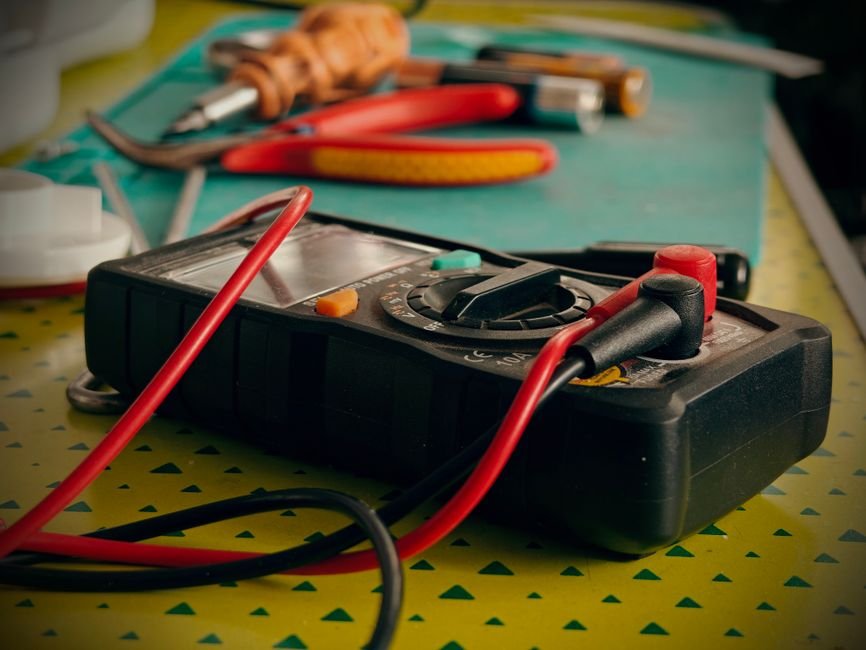
- Run electrical tests using a PAT tester — checking earth continuity, insulation resistance, and in some cases leakage current.
- Apply a pass or fail label with the test date and next due date.
- Record everything in a test register.
You get a certificate at the end. For HMO landlords, keep this on file — you’ll need to show it at licence inspection.
Failed items are either repaired on the spot (fuse replacement, plug repair) or taken out of use. A good tester will advise you on what to do with anything that fails rather than just tagging it and leaving you to work it out.
The whole thing is relatively quick. A typical small HMO kitchen’s worth of appliances — kettle, microwave, toaster, fridge-freezer, washing machine — takes well under an hour.
Who can carry out PAT testing in Glasgow?
PAT testing does not legally require a specific qualification or licence, but it must be carried out by a “competent person.” In practice, that means someone who understands electrical safety, has been trained to use PAT testing equipment correctly, and can interpret the results and make sound pass/fail decisions.
Most PAT testers in Glasgow are qualified electricians or electrical engineers. Dedicated PAT testing companies also operate across the city. If you’re on the Southside, our guide to electricians in Cathcart is a good starting point for finding a local spark who does this kind of work, and the wider Southside electricians guide covers Giffnock, Clarkston and Muirend too.
What to check when booking:
- Are they insured? Ask for proof of public liability insurance.
- Will you get a full written certificate and test register, not just labels?
- Do they have experience with your type of premises — HMO, office, retail, industrial?
Find a PAT tester in Glasgow
PAT testing in Glasgow is typically carried out by qualified electricians. You can find certified electricians who offer portable appliance testing through the GlasgowTrader directory:
Browse Glasgow electricians — 325 listings
Specialist PAT testing companies also operate across Glasgow and the surrounding areas:
- Target PAT Testing Glasgow (Uddingston) — 5/5 rating from 550 reviews
- Lothian PAT Testing Scotland
When you contact a tester, have a rough appliance count ready — it’s the first thing they’ll ask, and it determines the quote.
Electricians and trades by area
PAT testing is one part of a landlord’s electrical obligations, and the engineer who does it often handles the rest. These guides list verified local firms:
- Glasgow neighbourhoods: Partick, Dennistoun, Shawlands, Pollokshields and Springburn
- Alarms and wiring: Scotland’s interlinked smoke alarm rules apply to every let property
All our area guides are listed on the GlasgowTrader trade guides index.
Quick checklist for Glasgow HMO landlords
- PAT testing done within the last 12 months
- Certificate and test register on file
- All failed appliances removed from use or repaired
- EICR (Electrical Installation Condition Report) also current — required every 5 years
- Gas Safety Certificate current (annual) — our gas safety certificate guide covers costs and booking
If your PAT certificate is due for renewal, or you’re preparing for a Glasgow City Council HMO licence inspection, get quotes from two or three certified testers. A property with 20–30 appliances will typically cost around £75 all in. That is not a lot to pay for a licence condition sorted.
Sources: PAT Testing Glasgow pricing guide | Arnold PAT Testing — HMO Compliance Checklist Scotland | mygov.scot — HMO licence | PATvault — PAT testing costs 2026

)